



Maryland Fraud Lawyer: Bad Checks, Credit Cards & Deception Charges
Fraud and bad check charges in Maryland fall under Criminal Law Article, Title 8, which covers bad checks, credit card offenses, and identity theft. Bad check cases are governed by Criminal Law Sections 8-101 to 8-108. Title 8 also includes gift card forgery, a newer offense with an effective date of October 1, 2026.
These cases are document-driven. Intent, timing, and whether there was an immediate exchange of goods often decide the outcome. FrizWoods defends fraud, bad check, credit card, and related deception charges statewide from our theft, property, and fraud hub.
If you received a summons or a letter about a returned check, talk to counsel before you contact the complainant or send money on your own.
Start here: Maryland theft lawyer | Credit card theft | Credit card fraud | Embezzlement | Cybercrime defense | White collar defense
Meet Your Maryland Fraud Defense Team
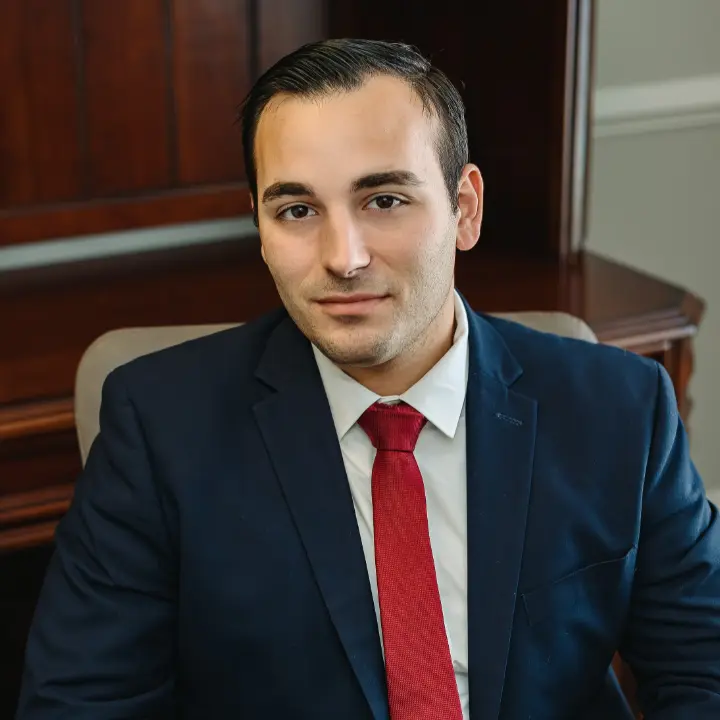
Max Frizalone
Former prosecutor defending theft, shoplifting, embezzlement, and fraud cases statewide.
- Challenges loss totals, video identification, and paper trails in retail and document-driven cases.
- Skilled in theft scheme aggregation fights and felony valuation disputes.
- Pushes for dismissals, STET, and PBJ to protect jobs and records.

Luke Woods
Veteran trial attorney with decades of theft, burglary, and fraud defense experience.
- Former public defender with extensive Maryland theft and property crime trial work.
- Challenges intent, identification, and search issues in District and Circuit Court.
- Restitution-forward strategies when they create real leverage without giving away the defense.
Max Frizalone and Luke Woods have experience negotiating and litigating bad check and fraud cases. Max is a former prosecutor who understands how the State builds paper trails. Luke is a veteran trial attorney who tries document-heavy cases to verdict when the offer is wrong.
What Counts as a Bad Check Violation
An alleged bad check offense occurs when a person gives another person or business a check for an immediate exchange of goods or services, and the check is refused for payment because of insufficient funds, a non-existent account, a closed account, or an account on hold.
Two conditions matter:
- Immediate exchange for goods or property (as opposed to checks for rent, utilities, or car payments, which are generally pursued through civil litigation)
- Refusal for payment when the check is presented to the bank or institution on which it was drawn
The person who received the refused check can go to the commissioner's office in the local courthouse or jail and swear out a complaint. That can result in charges and a summons to appear for trial.
Bad Check Penalties in Maryland
Penalties under Criminal Law Section 8-106 follow the monetary value of the check:
| Value of the check | Classification | Maximum penalty |
|---|---|---|
| Under $100 | Misdemeanor | 90 days incarceration and $500 fine |
| Under $1,500 | Misdemeanor | 1 year incarceration and $500 fine |
| $1,500 to $25,000 | Felony | 5 years incarceration and $15,000 fine |
| $25,000 to $100,000 | Felony | 10 years incarceration and $15,000 fine |
| Above $100,000 | Felony | 20 years incarceration and $25,000 fine |
Court costs and bad check allegations
Presenting a bad check to the court to pay fines and costs is a separate offense. If the elements are met, the penalty can be up to 60 days of incarceration, a fine of up to $100, or both.
Related Fraud Charges We Defend
Credit card theft and fraud
Account access, unauthorized use, and related Title 8 charges. See credit card theft and credit card fraud.
Gift card forgery
A newer Title 8 offense with an effective date of October 1, 2026. See gift card fraud in Maryland.
Embezzlement
Employee and fiduciary theft cases built on ledgers and access. See embezzlement.
Cybercrime and online fraud
When the allegation involves devices, logins, or online accounts. See cybercrime defense.
Identity theft
Using another person's identifying information, usually for financial gain or to commit fraud. Covered under Title 8 and related charging theories.
White collar defense
Document-heavy cases that need a unified strategy. See white collar defense.
Defenses and Timing Issues That Matter
Insufficient funds and the ten-day window
If a check was refused for insufficient funds, the law allows ten days from the date of refusal for you to provide money to make the seller whole before charges follow that theory. That grace period does not apply the same way if the check was written on a non-existent account, a closed account, or an account on hold. Those situations can lead to immediate charging.
Floated or held checks
You cannot be charged with a bad check violation when the seller agrees to float the check or hold it for a few days before cashing it. That arrangement extends credit. Without an immediate exchange, the holder generally must resort to civil litigation to recover the funds.
Knowledge presumptions
The law presumes you know what is happening with your accounts. Under Criminal Law Section 8-104(a), a person who writes a check is presumed to know there are insufficient funds when there are insufficient funds to cover that check and other outstanding checks. Section 8-104(b) creates a similar presumption when the person had no account, or had insufficient funds when the check was written, the check was presented within 30 days, and it was refused for insufficient funds.
We push back on whether the State can actually prove knowledge, immediate exchange, value, and identity from the paper trail.
Frequently Asked Questions
If I write a bad check because there is not enough money in my account, will I immediately be charged?
Not always. For insufficient funds, the law allows ten days from the date of refusal to make the seller whole. Closed, non-existent, or on-hold accounts can support immediate charging.
What if the seller agreed to hold my check for a few days?
A floated or held check is generally treated as an extension of credit, not an immediate exchange. That usually pushes the dispute into civil court rather than a bad check criminal charge.
How can they prove I knew I had no money?
Maryland law includes knowledge presumptions in Criminal Law Section 8-104. A lawyer can still challenge whether the facts actually support the presumption and whether every element is proven.
Do I need a lawyer for a first bad check charge?
Yes. Even lower-value cases create a criminal record risk, and early contact with the complainant through counsel can open mitigation paths that are harder after a trial date is set.
How is fraud different from general theft?
General theft under Criminal Law Section 7-104 covers taking or possessing property with intent to deprive the owner. Fraud and bad check charges under Title 8 focus on deception, instruments, and financial devices. Many clients face both theories. Start at our theft lawyer hub.
Talk to a Maryland Fraud Lawyer
Hire counsel early. Most of these statutes turn on time limits, immediate exchange, value, and knowledge. Max Frizalone and Luke Woods can review the charge, the paper trail, and the realistic options before court.
Upper Marlboro Office
14513 Main Street, Ste B, Upper Marlboro, MD 20772
Phone: (301) 720-1917
Columbia Office
6304 Woodside Court, Suite 110, Columbia, MD 21046
Phone: (410) 346-9384
All offices available by appointment. Call our 24/7 attorney line at (877) 343-1031 or contact FrizWoods for a free consultation.
Talk to a Maryland Fraud Lawyer
Bad check and fraud cases move on paper and timing. Get a plan before your court date. The first call is free.
Call 24/7: (877) 343-1031