



Maryland Identity Theft Defense Lawyer
FrizWoods represents people charged with identity theft, identity fraud, and related financial offenses in Maryland. We do not provide identity-restoration or consumer-credit-repair services. Our role is defending a criminal case that has already been charged or is proceeding in court.
If your charging papers cite Criminal Law Section 8-301, bring the papers, hearing notice, and any account or device records you can access lawfully to a free consultation. Contact FrizWoods or call (877) 343-1031 to discuss the charge and the next court date.
Identity Fraud Under Criminal Law Section 8-301
Section 8-301 addresses specified knowing and willful uses, possession, acquisition, sale, or transfer of another person's personal identifying information without consent and for a fraudulent purpose. The exact subsection on the charging document matters because identity-fraud allegations can involve different conduct, purposes, and forms of identifying information.
The defense begins with the language actually charged. We compare that language with the State's evidence about:
- Whose identity or account information was allegedly involved
- Whether the information was obtained or used without consent
- What the accused allegedly knew
- Whether the State can prove the required fraudulent purpose
- Which transaction, benefit, service, account access, or other conduct supports each count
- Whether the evidence identifies the accused rather than merely a device, address, or account
The existence of a disputed transaction does not answer every element. Authorization, identity, intent, and the connection between a person and a device or account may each require separate proof.
Identity Fraud Is Not the Same as Every Related Financial Charge
Several charges can arise from one investigation, but they do not require identical proof.
- Identity fraud focuses on personal identifying information, consent, knowledge, and the purpose alleged under Section 8-301.
- Credit-card offenses can focus on possession, use, account numbers, transactions, and intent to defraud. See our credit-card theft defense page.
- General theft focuses on obtaining or controlling property or services under a charged theft theory. Our Maryland theft lawyer page explains the broader framework.
- Unauthorized computer access can depend on permission to access a computer, network, account, or data. See Maryland cybercrime defense.
- Fraud and bad-check offenses may involve different instruments, timing, representations, and statutory elements. See fraud and bad-check defense.
Prosecutors may file more than one theory from the same records. Counsel should separate the proof for each count rather than treating every digital or financial allegation as one offense.
Evidence We Review in an Identity-Theft Case
Identity-fraud cases can be document-heavy and device-heavy. Depending on the allegation, defense preparation may include reviewing:
- Bank, merchant, payment-platform, benefit, or account records
- Applications, forms, signatures, identification documents, and transaction histories
- Text messages, emails, social-media messages, and account-recovery records
- Device extractions, browser records, IP information, login history, and location evidence
- Store, ATM, building, body-camera, or other video
- Search warrants, subpoenas, and the scope of any device or account search
- Statements attributed to the accused and the circumstances in which they were made
- Evidence of permission, shared access, prior dealings, mistaken identity, or another authorized user
- The timeline connecting each alleged use of information to each charged count
A username, phone number, mailing address, or device association may be relevant, but it does not automatically prove who completed a transaction or what that person intended. We compare the digital trail with witness accounts and the full chronology.
How FrizWoods Prepares the Defense
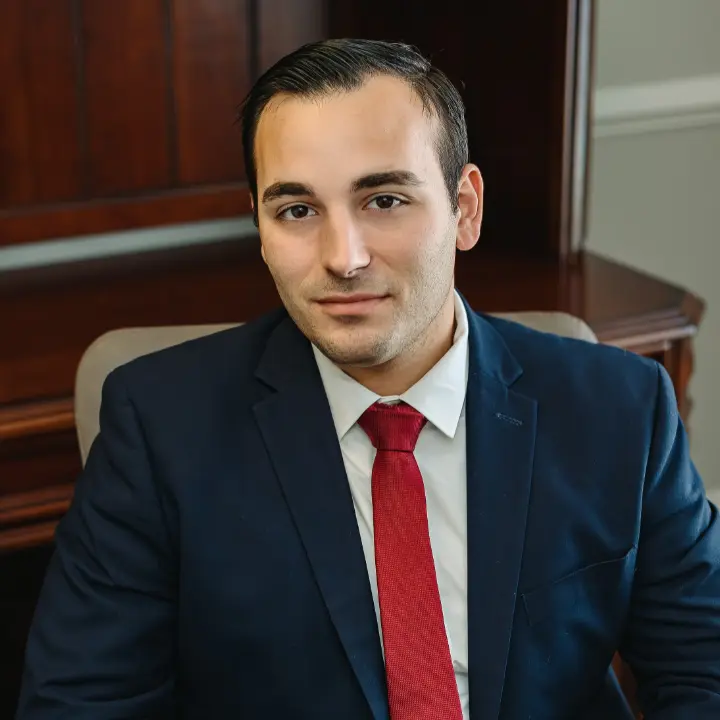
Max Frizalone
Founding Partner | Former Assistant State's Attorney
Former prosecutor defending theft, shoplifting, embezzlement, and fraud cases statewide.
- Challenges loss totals, video identification, and paper trails in retail and document-driven cases.
- Skilled in theft scheme aggregation fights and felony valuation disputes.
- Pushes for dismissals, STET, and PBJ to protect jobs and records.
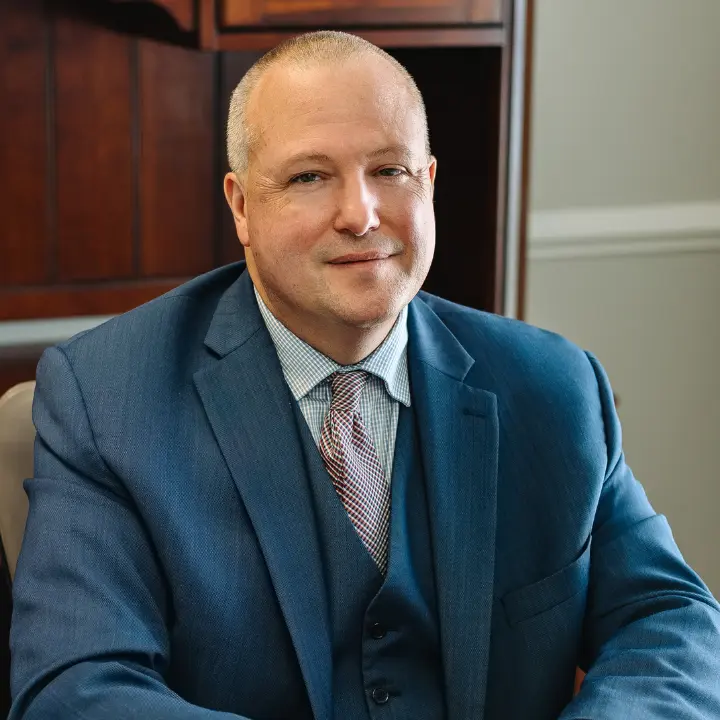
Luke Woods
Founding Partner | Former Supervising Public Defender
Veteran trial attorney with decades of theft, burglary, and fraud defense experience.
- Former public defender with extensive Maryland theft and property crime trial work.
- Challenges intent, identification, and search issues in District and Circuit Court.
- Restitution-forward strategies when they create real leverage without giving away the defense.
Max Frizalone is a former prosecutor and Maryland public defender. Luke Woods is a former supervising public defender with more than 20 years of criminal-trial experience. Their backgrounds inform a defense process built around the actual charging theory, admissible records, and trial preparation.
We identify the counts and required proof, organize the transaction timeline, preserve helpful records, examine how police obtained account or device evidence, and compare the State's attribution theory with other possible users or explanations. If the case involves a broader financial investigation, we coordinate the identity-fraud defense with the related white-collar, fraud, theft, or cybercrime charges.
What to Bring to the Consultation
Bring what you have, but do not delay the consultation because a document is missing:
- Charging papers, citations, summonses, and hearing notices
- Release conditions or court orders
- Relevant bank, card, merchant, or account records obtained lawfully
- Messages or records showing permission, shared access, or prior dealings
- Device-seizure paperwork, search-warrant documents, or property receipts
- A list of affected accounts and a short timeline
- Information about witnesses or other people with authorized access
Do not delete, alter, or access another person's account to gather evidence. Counsel can discuss lawful preservation and the records that may need to be requested through court process.
Court Preparation and Consultation
Identity-fraud cases may proceed in District Court or Circuit Court depending on the charges and procedure. The charging document and hearing notice control where and when to appear. During the initial consultation, we review the subsection charged, related counts, known records, court date, and the immediate evidence-preservation needs.
Appointments are available through the FrizWoods offices listed on our locations page, as well as by phone or video when appropriate. The first consultation is free.
Frequently Asked Questions
Is identity theft the same as credit-card fraud?
No. The charges can overlap, but identity fraud under Section 8-301 and credit-card offenses have different statutory elements. The State must prove the elements of each count it files.
What if I had permission to use the account or information?
Consent and the scope of authorization can be central. Messages, account records, past practices, and witness testimony may help establish what permission existed and whether the alleged use went beyond it.
Can an IP address or phone prove who completed a transaction?
It can be evidence, but attribution remains a fact-specific issue. Shared devices, shared networks, account access, authentication records, location evidence, and the transaction timeline should be reviewed together.
What if identity fraud is charged with theft or unauthorized computer access?
Counsel should separate each charge and its proof while building one coordinated defense. A weakness in one theory does not automatically resolve another count.
Should I contact the account holder or merchant?
Discuss that with counsel first. Direct contact can create new statements, misunderstandings, or release-condition issues. A lawyer can evaluate the safest way to preserve records and address the allegation.
Talk to a Maryland Identity Theft Lawyer
If you are already facing an identity-fraud charge or court proceeding, bring the charging papers and known records to a free consultation. Request a consultation or call (877) 343-1031.
Related services: Maryland fraud lawyer, white-collar defense, cybercrime defense, credit-card theft defense, and Maryland theft defense.