



Maryland Harassment and Stalking Defense Lawyer
FrizWoods represents defendants facing criminal harassment or stalking charges in Maryland. This service is for people charged with a crime or already involved in a criminal court proceeding. It is not workplace-harassment litigation or general victim-assistance representation.
Harassment and stalking are distinct offenses. The wording of the charge, the alleged course of conduct, and the complete communication history can shape the defense. Bring the charging papers, hearing notice, release conditions, and preserved communications to a free consultation. Contact FrizWoods or call (877) 343-1031.
Stalking Under Criminal Law Section 3-802
Maryland's stalking statute addresses a malicious course of conduct that includes approaching or pursuing another person when the accused intends to place, or knows or reasonably should have known the conduct would place, that person in reasonable fear of specified serious harm or would cause serious emotional distress.
The statute can apply to conduct carried out in person or through electronic communications and devices. The exact alternative charged matters. Defense review may focus on:
- Whether the State can prove a course of conduct rather than an isolated event
- The identity of the person responsible for each act or communication
- Whether the conduct was malicious
- The accused person's intent and knowledge
- The claimed fear or serious emotional distress and its connection to the alleged conduct
- The full context, including responses and communications omitted from an initial complaint
Our stalking and harassment guide explains the statutes in more detail. This page focuses on criminal-defense representation.
Harassment Under Criminal Law Section 3-803
Section 3-803 addresses following another person in or about a public place, or maliciously engaging in repeated conduct, when the conduct seriously alarms or annoys the other person and the required intent and warning or request-to-stop conditions are established. The statute also preserves conduct undertaken for a legal purpose.
A harassment case can turn on chronology and context. Counsel should determine what conduct is included in the charged period, whether a request or warning was communicated, whether the accused is tied to each communication, and whether the conduct fits the statutory requirements.
The use of a phone or messaging platform can also produce a separate telephone-misuse charge. Multiple counts based on the same communications should be compared carefully because each offense has its own elements.
Evidence in Harassment and Stalking Cases
These cases often begin with screenshots or one person's summary of a long interaction. We work to identify the complete and original evidence, including:
- Full message threads rather than selected screenshots
- Call logs, voicemails, emails, direct messages, and account records
- Account, device, and phone-number attribution
- Location information and records involving electronic tracking
- Surveillance, doorbell, body-camera, or other video
- Witness accounts and prior statements
- Dates of warnings, requests to stop, blocks, unblocks, and later communications
- Records showing shared responsibilities, property exchanges, court-approved contact, or another legal purpose
- Statements made to police and the circumstances of any device search
Screenshots can omit dates, surrounding messages, sender information, edits, and account details. We compare them with available original records and the complete chronology. When identity is disputed, the defense reviews whether the State can connect the accused to the particular account, device, or conduct.
Criminal Charges and Peace or Protective Orders Are Separate Proceedings
A criminal charge is not the same proceeding as a peace order or protective order. The parties, burdens, available relief, hearing schedule, and consequences can differ. One set of allegations may lead to both proceedings, but an order petition does not itself decide the criminal case.
Peace orders and protective orders also apply to different relationship and eligibility categories. If you have been served with a petition or temporary order, bring every page to counsel. A no-contact release condition in a criminal case can exist separately from either civil order.
Do not contact the other person if an order or release condition prohibits contact, even if that person initiates a message. Counsel can review the exact terms and address overlapping court dates without treating the proceedings as interchangeable.
Preparing the Defense
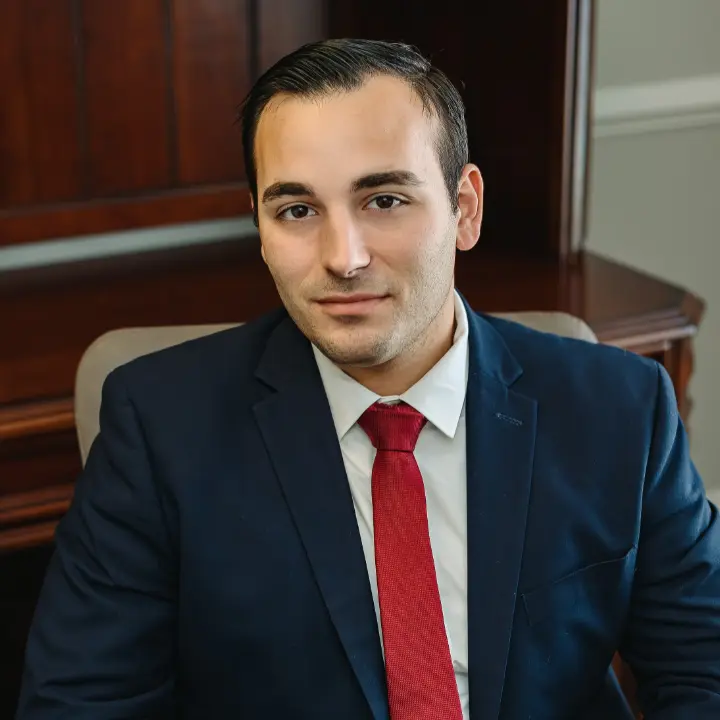
Max Frizalone
Founding Partner | Former Assistant State's Attorney
Founding partner of FrizWoods LLC known for courtroom-first strategy and client-focused advocacy.
- Former Prince George's County Assistant State's Attorney and Maryland Public Defender.
- Handled serious cases including carjackings, attempted murder, armed robbery, and violent felonies.
- A thoroughly reviewed criminal lawyer with a track record of trial wins in high-stakes felony and misdemeanor cases.

Luke Woods
Founding Partner | Former Supervising Public Defender
Veteran trial attorney with decades of criminal defense experience across Maryland courts.
- Over 20 years of experience in Maryland criminal courts
- Handled thousands of cases and 100+ trials.
- Extensive motion practice, jury/bench trials, and complex felony litigation.
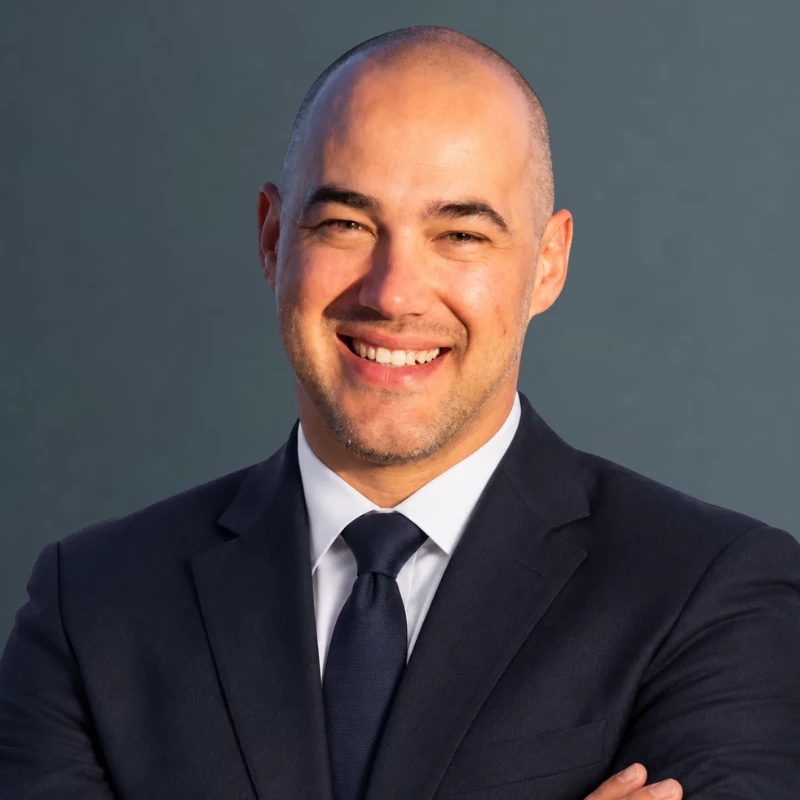
Shane Nolan
Attorney | Former Anne Arundel County Prosecutor
Former Anne Arundel County prosecutor with District and Circuit Court experience.
- Handled hundreds of misdemeanor prosecutions before moving to serious Circuit Court felony cases.
- Jury-trial experience involving homicide, kidnapping, armed robbery, and other serious charges.
- United States Coast Guard veteran and former certified federal boarding officer.
FrizWoods attorneys bring prosecution, public-defense, and criminal-trial experience to the evidence review. Max Frizalone, Luke Woods, and Shane Nolan examine the charging theory, obtain available records, organize the timeline, evaluate account attribution, and prepare for the hearing or trial required by the case.
Preparation may include preserving original electronic records, identifying missing parts of conversations, reviewing searches and statements, interviewing witnesses, and coordinating the criminal defense with a related order proceeding. We also evaluate whether alleged conduct was repeated, malicious, undertaken after a warning, legally authorized, or incorrectly attributed.
What to Bring to a Consultation
Bring what is available:
- Charging papers, summonses, and hearing notices
- Release conditions, no-contact terms, and all peace or protective-order papers
- Original messages and account exports when available
- A list of relevant accounts, phone numbers, devices, and witnesses
- A chronology of the relationship and the charged period
- Police property receipts or device-search paperwork
- Records showing permission, legal purpose, shared responsibilities, or required contact
Preserve communications without editing, deleting, or posting them publicly. Do not access another person's account to collect evidence. Counsel can discuss lawful preservation and records that may need to be requested.
Appointments are available through the FrizWoods offices on our locations page, by phone, or by video when appropriate.
Frequently Asked Questions
Are harassment and stalking the same charge?
No. Sections 3-803 and 3-802 define different offenses. They can arise from the same allegations, but the State must prove the elements of each filed count.
Can text messages or social-media messages support a charge?
They can be evidence. The defense should examine the complete thread, authorship, dates, account records, context, and whether the communications satisfy the particular statute charged.
What if the other person continued to contact me?
Those communications may provide context, but they do not authorize violating a court order or release condition. Preserve the messages and discuss them with counsel before responding.
Is a peace order or protective order part of the criminal case?
No. It is a separate proceeding, even when it arises from the same allegations. Bring both sets of papers so counsel can account for overlapping facts, deadlines, and restrictions.
What if someone else had access to the account or device?
Account attribution can be disputed. Device access, login records, authentication, IP information, message content, and witness evidence should be considered together.
Talk to a Maryland Harassment and Stalking Lawyer
If you are already facing a criminal harassment or stalking charge, preserve the complete communications and review the case before making new statements. Request a free consultation or call (877) 343-1031.
Related services: Maryland assault defense, domestic-assault defense, telephone-misuse defense, peace-order representation, and protective-order representation.